
Designed and manufactured to meet the mechanical, dimensional and fatigue requirements of India’s freight and bogie platforms.
CSEL manufactures a complete range of railway-grade springs used across multiple bogie platforms in India’s freight ecosystem. Designed and produced in alignment with RDSO specification WD-01-HLS-94, each spring undergoes controlled coiling, heat treatment, shot peening and precision inspection to meet the mechanical and dimensional expectations of Indian Railways.
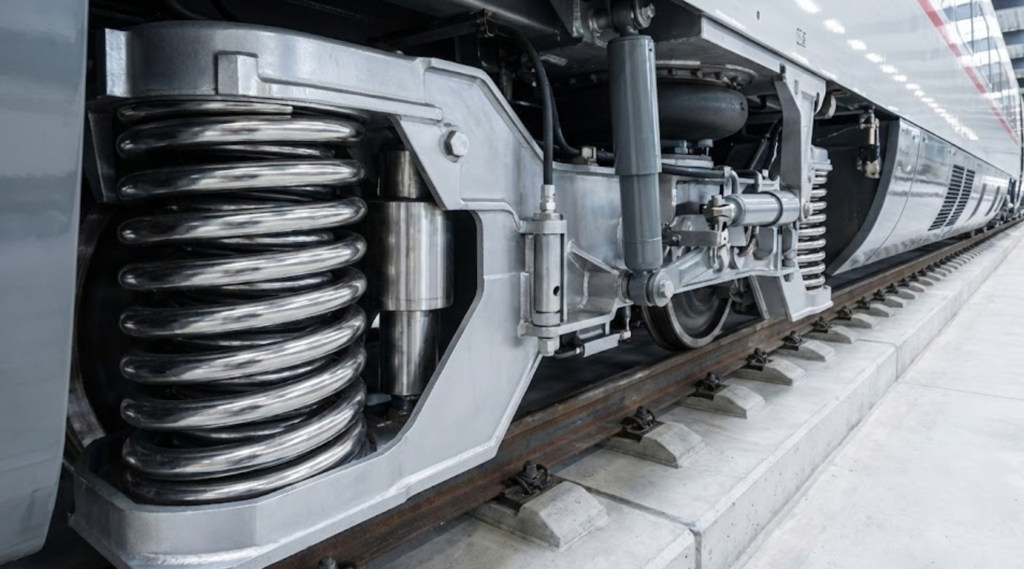
Description:
High Speed Bogie Springs are engineered for wagon applications requiring reliable suspension under higher cyclic loads. Manufactured as per the dimensional and mechanical parameters defined in RDSO freight bogie drawings, these springs ensure stable ride characteristics and long fatigue life.
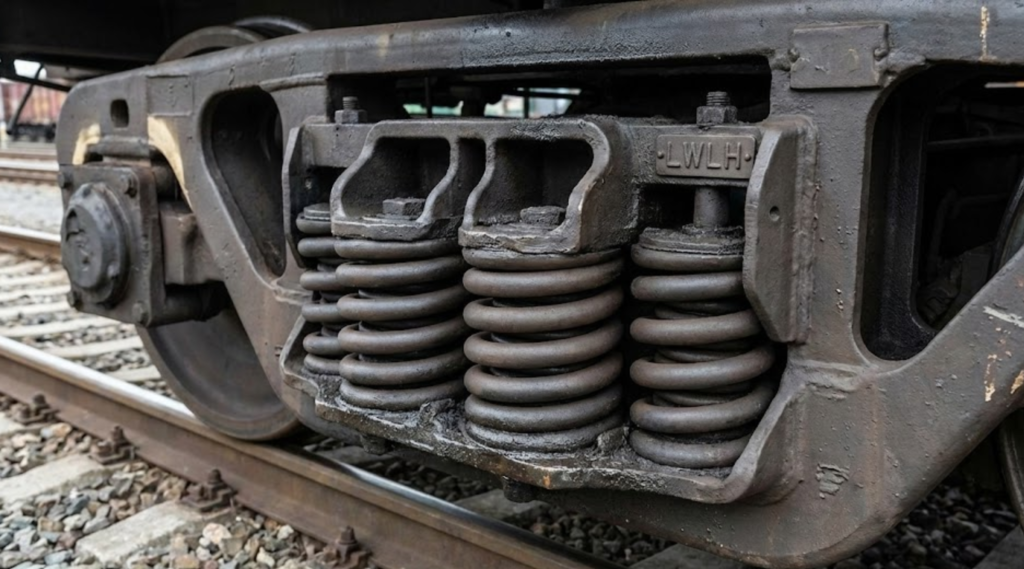
LWLH springs are designed for heavy-duty wagon systems requiring stable load distribution under high static and dynamic loads. Their optimized coil design ensures minimal height variation and reliable energy absorption.
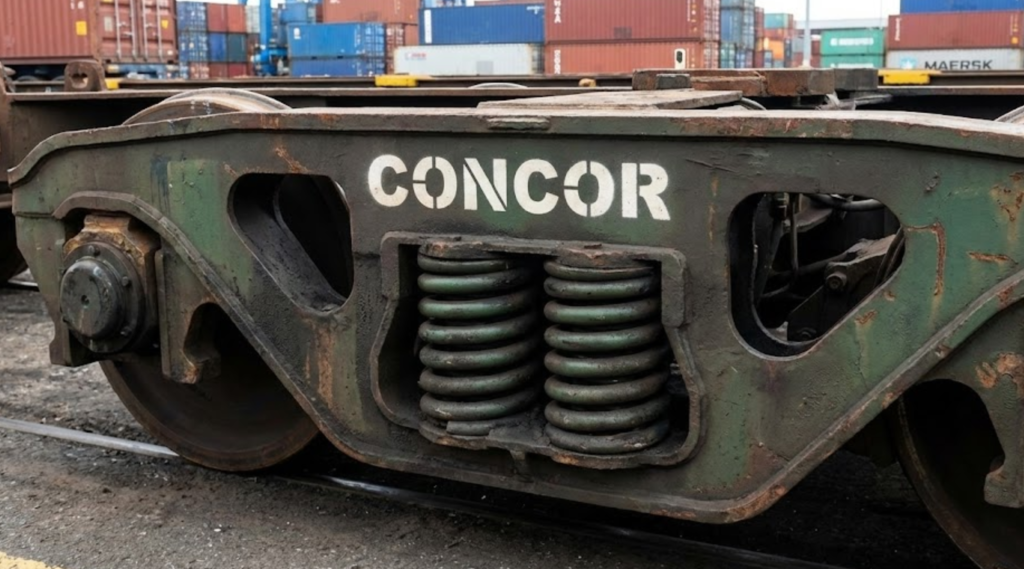
Used extensively on container flat wagons, CONCOR springs are built to withstand repetitive deflection cycles during high-load freight handling. Their coiling and material specifications follow standard RDSO drawings for container bogies.
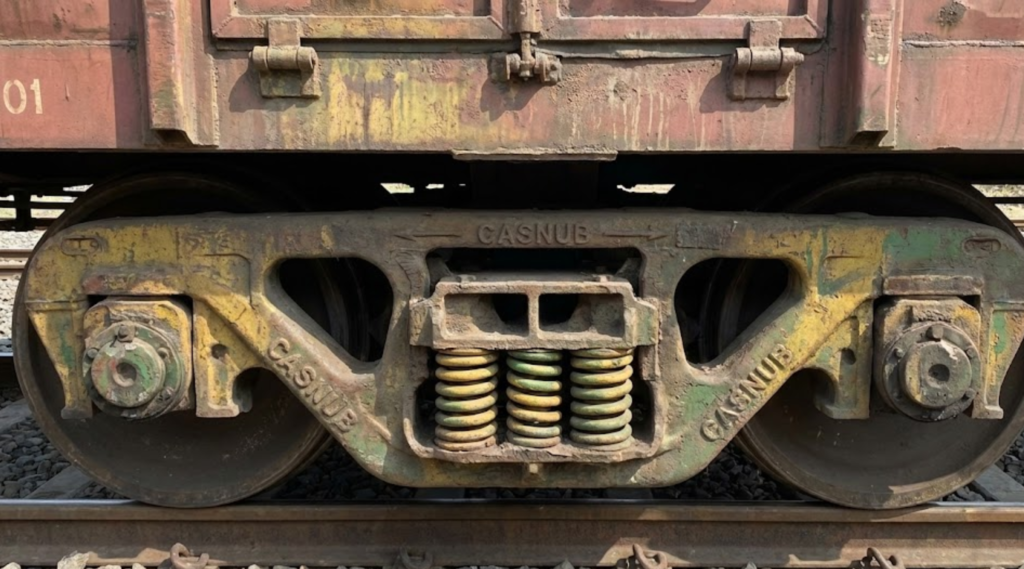
CASNUB bogie springs form the backbone of suspension systems in widely used cast-steel freight bogies. These springs are engineered to deliver consistent deflection and load-bearing characteristics across thousands of cycles.
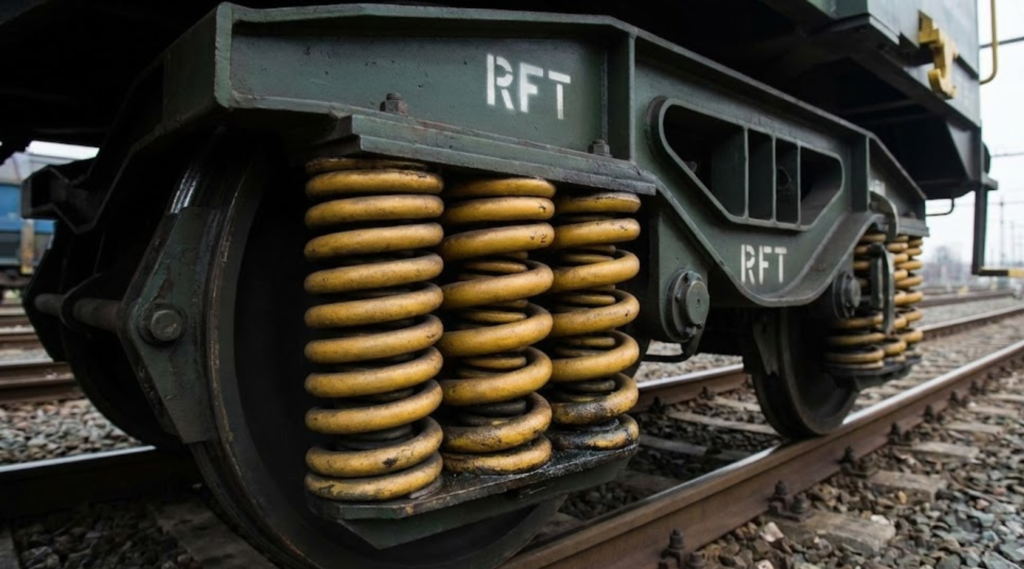
RAFTAR bogie springs are designed to support higher speed operations and improved wagon dynamics. Their stiffness, height and coil parameters follow established freight bogie requirements.
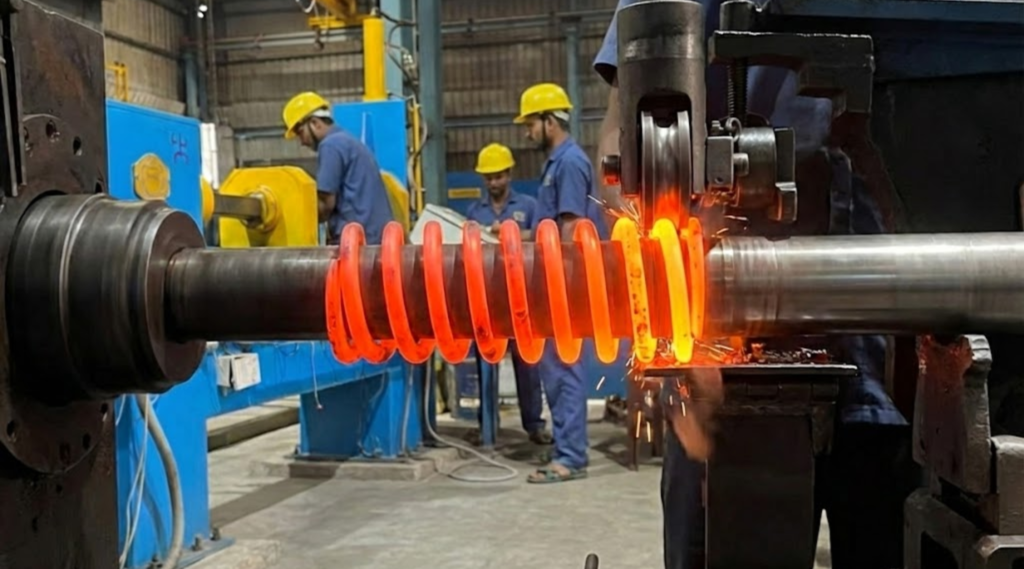
These general-purpose hot-coiled compression springs are used across a variety of railway applications. Manufactured using high-quality alloy steel, they undergo a series of metallurgical and mechanical treatments to achieve the desired performance and fatigue strength.
Our integrated production facility gives us complete control over every stage of spring manufacturing.
From raw material preparation to coiling, heat treatment, surface enhancement and final inspection, we deliver railway-grade springs engineered for consistency, durability and performance.
We begin with high-grade alloy spring steel that undergoes straightening, peeling and centreless grinding to remove surface defects and achieve uniformity. Bars are crack-tested and cut to precise lengths as per the required spring design.
Each bar end is tapered and stamped hot with essential identification marks such as manufacturing month, year, grade and spring code. This ensures traceability throughout the product lifecycle and adherence to railway compliance expectations.
Springs are coiled at controlled temperatures to achieve the exact coil count, free height, inner/outer diameter and helix geometry. This stage defines the mechanical characteristics of the spring and is monitored closely for dimensional accuracy.
After coiling, springs undergo oil quenching followed by tempering to achieve the required hardness, toughness and fatigue strength. Our controlled heat-treatment cycle enhances durability and ensures the spring performs reliably under repeated loads.
Ends are ground flat to ensure proper seating during load application. Shot peening is performed to induce beneficial compressive stresses, significantly improving fatigue life and reducing failure risk in demanding railway environments.
Each spring is load-tested, dimensionally inspected, and checked for surface integrity using magnetic crack detection. Only springs meeting all technical and visual parameters proceed to final grouping, painting and dispatch.